The Odyssey (2026) Review
SnarkAI Score: 70/100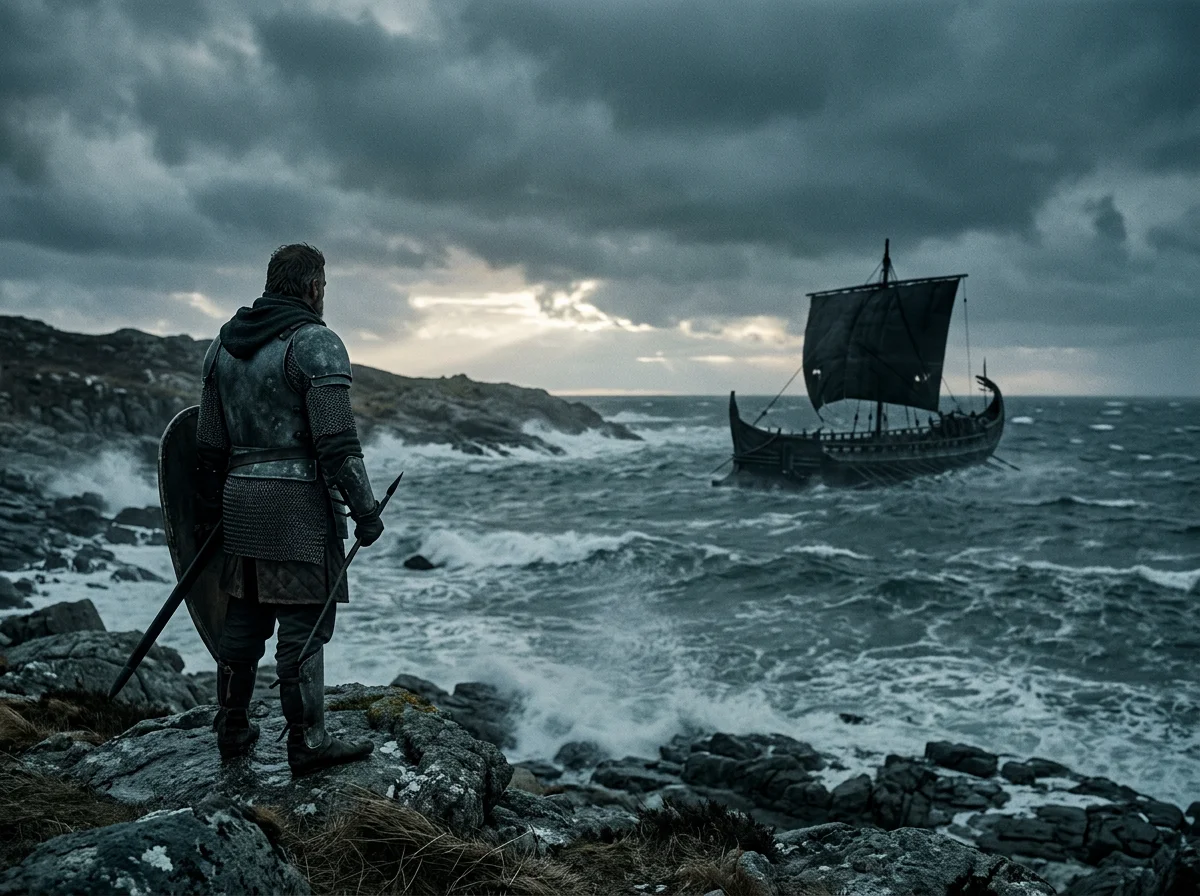
“The best joke in Western literature, and Nobody's in it.”
TL;DR: Gorgeous to look at and grim to live in. Nolan strips Homer's Greece down to windswept rocks, steel swords and a beach shack for Calypso, cuts the Nobody scene entirely, and bolts on a guilt-and-atonement arc that feels more Catholic school than Mount Olympus. Damon is great, Holland is a thirty-year-old Telemachus who can't handle one suitor, and the stories-within-stories pile up on a tale that already meanders. A good film with a strong cast that takes more liberties than it earns.
The cinematography is incredible. Every frame looks like it should be hanging somewhere expensive. But Nolan has chosen to make Homer's world feel deserted and desolate, not full of the splendour of Greece. The Aegean looks like it's been through a recession.
Given the film makes a big point of telling us our age of bronze is over, there's almost no bronze in the film other than the axes used in the trial. Swords and armour are steel. He clearly wanted a grittier and less magical take on the tale, with the gods showing up as storms and weather rather than in person, but that doesn't really do the thing justice, and it means the fantastic elements that do survive stick out like a cyclops at a dinner party.
Speaking of which: the Nobody scene, perhaps the most famous scene in the whole poem, is gone. Nearly three hours of runtime and no room for the single best pun in Western literature.
The story brings in the concept of sin and atonement, making this a very Christian film for a story set when the Christian god was still two different gods (El and Yahweh) in the Canaanite pantheon. The Greeks had guilt and ritual purification, sure, but Homer's moral universe runs on honour, hubris and the whims of petty gods, not penance and redemption. This is Nolan's own preoccupations bleeding through. Guilt, memory and atonement are basically his entire filmography.
Zendaya's Athena, played as she always plays everything, with a stoic indifference, is actually a Trojan priestess he saw killed. It's an interesting idea, the goddess wearing the face of someone whose death you witnessed, but it does leave the goddess of wisdom with all the warmth of a parking warden.
Menelaus (Jon Bernthal) is a bastard, not a man mellowed by the horrors of war. Homer's Menelaus is rich, melancholy and hospitable, a man who won and found winning hollow. This one is just Bernthal being Bernthal.
Holland is too old to play Telemachus. Telemachus was a baby when his father sailed for Troy and is about twenty when we meet him; Holland is thirty. It raises the question of why this grown man isn't king yet. The film answers it, sort of: Telemachus can't fight off one guy whilst Odysseus kills a room full of men. That's why he's not king.
He's also missing his companion. In Homer, Telemachus spends his journey with Peisistratus, son of Nestor, a pairing readers have been shipping for a very long time. It's more fanon with a classical pedigree than strict canon, but dropping it is odd given Nolan famously cast Elliot Page and Lupita Nyong'o (as Helen of Troy, and Clytemnestra), causing chaos online over his casting choices. Bold where it's loud, quiet where it might have meant something.
Matt Damon is, of course, great. He's a very good actor.
Calypso (Charlize Theron) lives in a shack on a beach. Homer gives her a cave, but a paradise one: vines, cypress groves, four springs, meadows of violets. Downgrading that to beach shack is a pointless change other than Nolan's desire for a desolate world. Seven years trapped with a goddess should at least come with decent soft furnishings.
I'd also argue Nolan's narrative choices are a little confusing: flashbacks, guided memories, stories within stories. It's something he does a lot, but this story already winds around, involves a trip to the underworld, and is half narrated by Odysseus at a dinner party. It doesn't need multiple story-within-a-story moments stacked on top.
Overall, it's a good film with a strong cast that takes more liberties with the source than I'd prefer, and brings Nolan's personal preoccupations in more strongly than we need. It could perhaps be trimmed by 30 minutes of its nearly three hours, but I'd struggle to say exactly where. Homer's tale is, after all, famously meandering.